




Social media as a mission.
-
Create Content

-
Share The Gospel

-
Pray
-
Repeat




Do You Need Support?


Altin Kita
Pastor - ICF Tirana
Today, chances are that before someone visits your church, they’ve already seen it through your social media.
Make sure your social media reflects the vision of your church — even without words.
If you need help, Church & Media is here to make your media ministry easier and more effective.
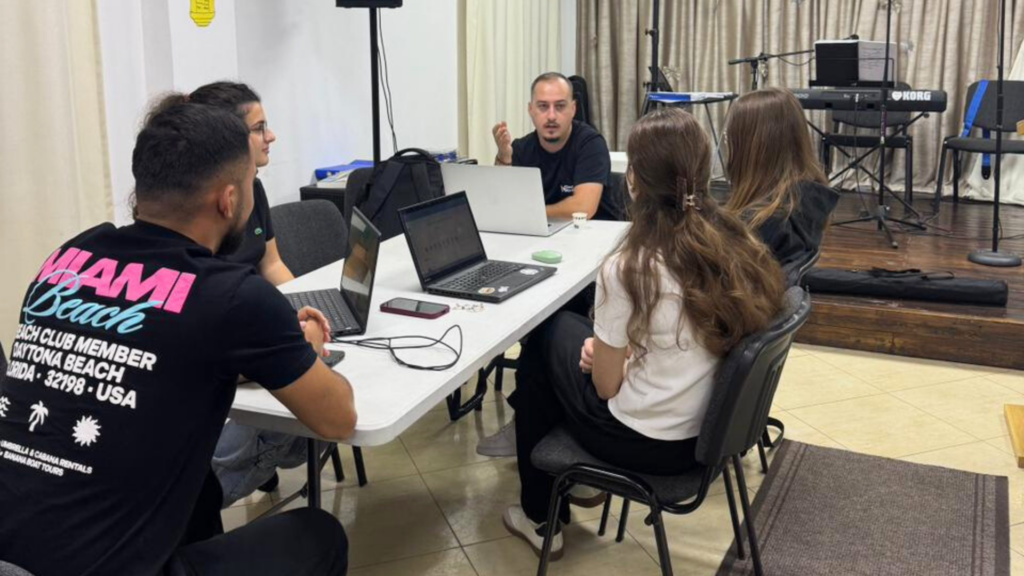
We had the opportunity to collaborate with Church & Media for a training focused on audio mixing for worship.
It was truly a blessed time where our team learned many new and practical skills.
Church & Media also continues to inspire us with new ideas on how to use media in our church more creatively and effectively.

Crossroads Church
Korçë, Albania
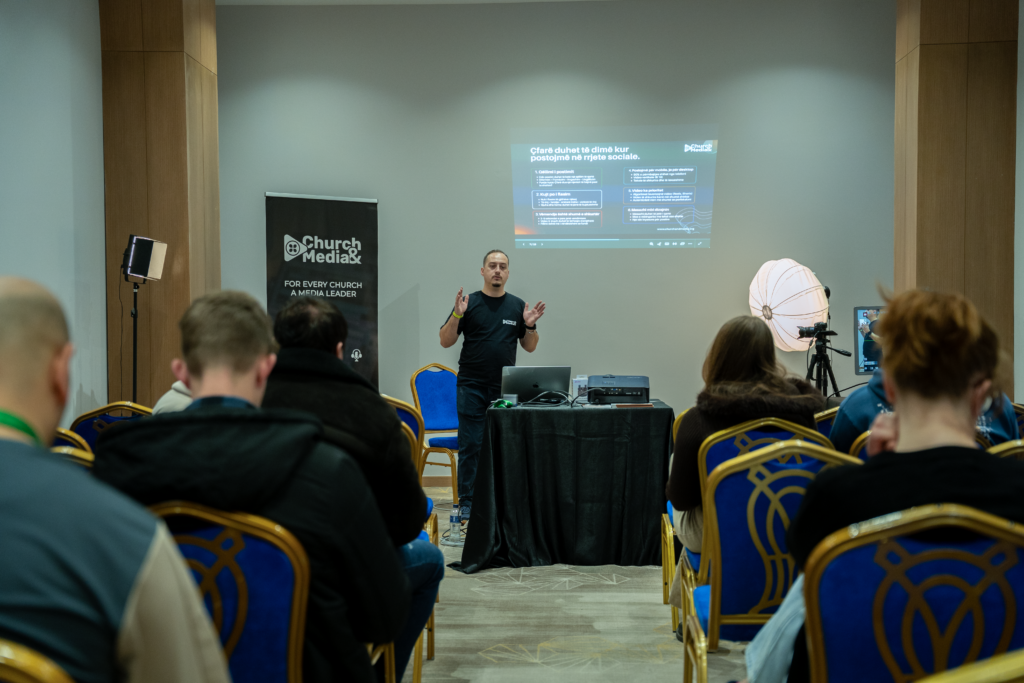
A while ago, we had the opportunity to attend a workshop organized by Church and Media in Korçë on empowering and using media in church. The workshop was very detailed and comprehensive, covering everything from the basics to the more advanced aspects. The practical session at the end, where we went through the entire process—from setup, equipment assembly, to live recording—was the most enjoyable part, as it gave us the chance to apply all the knowledge from the previous sessions in real time. Their team is fantastic and extremely helpful. We look forward to welcoming you again in Korçë!

Marsel Firanj
Pastor
Church and Media has a strong impact both within the Christian community and beyond. The world knows how to promote its products and messages, so the Church in Albania should not remain silent. Through media, we promote Christ and show the world what the Church truly is.
In today’s world, where people get their news through social media, we have the opportunity to share the Good News — the Gospel. While the enemy uses the internet to spread darkness, the Church can use it to share the light of Christ.
Media is a powerful tool for evangelism and for bringing people to Jesus. May God bless you for the work you are doing in Albania.

Mentor Rama
CEO of CFN Albania
Our experience with Church & Media has been outstanding.
We entrusted them with the entire branding for CFN Albania’s 25th anniversary, and their work was simply remarkable.
Professionalism, creativity, and a unique sensitivity for ministry. Their level of excellence is something still missing in many churches in Albania, and I wholeheartedly recommend them.
And not to forget Enea and Drini — two men whose lives, attitude, and genuine dedication speak louder than their cameras ever could.

Urtan Kollonata
Pastor
We are truly thankful for this amazing ministry! Their media support has been a great blessing to our local church.
With professionalism, excellence, and a servant’s heart, they help churches share the Gospel more effectively.
Highly recommended to any church or ministry looking to improve their media outreach!

Xhuljo Poçi
Worship Leader
Church and Media is a very essential ministry for the Albanian church.
Through valuable guidance and practical collaboration, I strongly believe that every team serving in church media will greatly benefit from this initiative.
